Don’t block the good bots
Bots from major ad networks help improve your campaigns, so blocking them can backfire. Learn why you should let these bots through - and how Polygraph helps manage bot traffic effectively.


Bots from major ad networks help improve your campaigns, so blocking them can backfire. Learn why you should let these bots through - and how Polygraph helps manage bot traffic effectively.

Fake add-to-carts aren’t harmless - they’re a sophisticated form of fraud that tricks advertisers into thinking shoppers are interested. Learn why these fake signals matter and how Polygraph helps you stop them.

Without auditing, fraudulent clicks and low-quality traffic can drain your budget and distort your results. Discover why auditing your ad traffic is a must - and how Polygraph makes it easy.
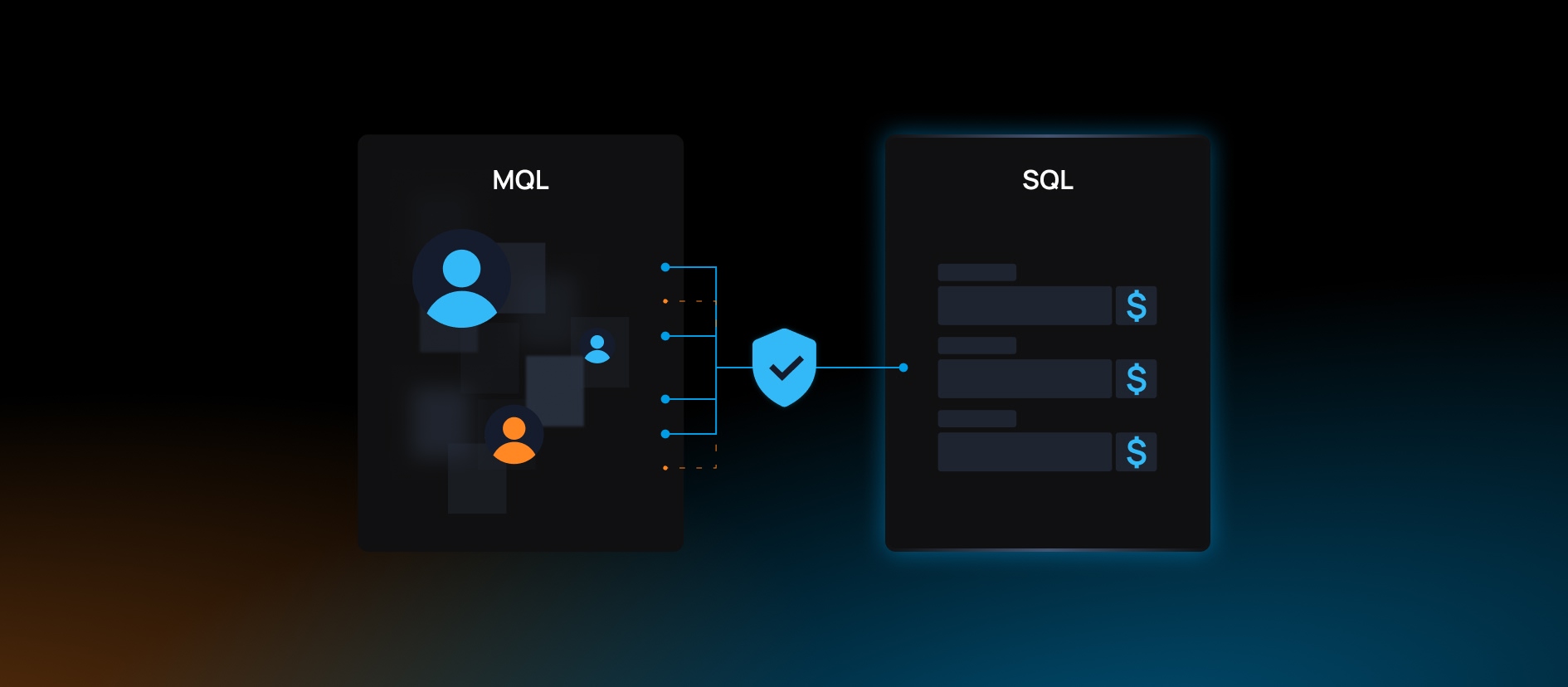
Not all leads are created equal. MQLs might look impressive - but if they don’t turn into sales, what’s the point? Learn why SQLs are the only metric that really matters, and how Polygraph protects your funnel from fake leads.

It’s not indecisive shoppers - it’s click fraud. Learn how fraudsters use this tactic to trick advertisers, and how Polygraph detects what others miss.

Honeypot fields can catch simple crawlers but won’t stop the advanced bots behind click fraud. Learn why this outdated tactic fails and what you need to do to protect your ads and leads from sophisticated fraudsters.

Organized criminal groups are cashing in on click fraud, using bots, fake websites, and ad networks to steal billions from advertisers. This article reveals how these syndicates operate - and why no one is stopping them.

Learn why Advantage+ campaigns attract fake leads and discover how to protect your ads.

Click fraud is stealing billions from advertisers every year. Learn why it persists - and how Polygraph can protect you from this crime.

Click fraud can make you break the law. Find out how fake traffic leads to real privacy violations - and how Polygraph helps keep you compliant.

Learn the basics of click fraud, discover two common click fraud techniques and how to detect them, and find the easiest, most cost-effective way to stop click fraud in its tracks.

Click fraud is a huge issue, costing some advertisers up to 80% of their ad budgets. Discover what click fraud is, how criminals profit from it, and two effective strategies to prevent it.

Bots opening your e-mails and clicking links can seriously inflate campaign metrics, leaving you unsure how many real people are engaging. Discover why bots do this - and how Polygraph helps you filter out fake activity for truly accurate e-mail analytics.

Device fingerprinting is commonly used to identify devices but can be easily faked by fraudsters, making it unreliable alone for detecting click fraud. Discover how Polygraph leverages fake fingerprint data within a layered approach to uncover suspicious traffic and better protect your ad budget.

In this article, we examine the financial impact of ignoring click fraud and demonstrate - using real-world data - how Polygraph can pay for itself many times over.

Discover how search engine optimization (SEO) lowers the risk of click fraud for advertisers and makes the case for shifting marketing budgets from paid ads to SEO.

Why common captchas fail to stop click fraud - and how Polygraph’s advanced approach blocks fake conversions to protect your ad spend and retrain ad networks.

Click fraud drains billions from advertisers every year by using bots to generate fake clicks and conversions. This article explains how click fraud works, why it matters, and how Polygraph helps protect your ad budget and deliver real human traffic.

Click fraud is a sophisticated crime stealing billions from advertisers annually. Perpetrators range from small websites to cybercrime gangs and even Nasdaq-listed corporations. Discover how one Asia-based cybercrime gang is behind a significant share of the world’s click fraud.

Discover how a click fraud detection service like Polygraph can save your company money and simplify protecting your ads from click fraud.

This article explains the difference between click fraud carried out by publishers and click fraud from competitors. It also offers practical strategies to help you prevent competitors from clicking on your ads and wasting your marketing budget.

Discover why display networks - also called audience networks - are filled with bots. Learn who profits from these bots and how you can protect your ads from click fraud.

We explain what click fraud is, reveal a key method to detect click fraud bots, and show how Google’s changes have made detection and prevention more difficult.

Learn why Performance Max campaigns attract fake leads and discover how to protect your ads.
Learn how fake leads result from click fraud, how they train ad networks to send more bot traffic, and why preventing them re-trains ad networks to send you real traffic. Finally, discover why ignoring or tolerating fake leads may breach data privacy laws.

Learn about a devious click fraud technique known as piggyback click fraud. Discover how scammers use bot-infested traffic bought from legitimate sources to generate fake ad clicks and avoid detection.

Take a deep dive into click fraud and learn the difference between click fraud and low quality traffic. Understanding the distinction can help you protect your ad budget and improve campaign performance.

Learn the difference between click fraud and click arbitrage — and why both follow nearly identical steps that waste advertisers’ budgets.

Spanish-speaking jobseekers are clicking your ads and applying for fake jobs through your leads form. This drains your ad budget and wastes your resources. Learn how to stop these fake clicks effectively.

Discover how scammers exploit no-cost (free) conversions to mask fake ad clicks, draining advertisers’ budgets and wasting time—while tricking ad networks into treating bot traffic like genuine users.
Online advertising faces a fake conversions problem — especially fake leads that waste advertisers’ time and money. This article explains why these fake conversions happen, and how to stop them.

UTMs are URL parameters that help you track where your ad clicks come from, which keywords triggered them, and which campaigns they belong to—giving you valuable insight into your marketing performance.

This article walks you through using Google Tag Manager (GTM) to add Polygraph to your landing pages quickly and easily.

Learn how quick and easy it is to set up and use Polygraph with our step-by-step guide. You’ll have everything up and running in minutes.

Many so-called click fraud solutions offer little or no real protection. Learn about three common gimmicks that don’t work — and discover the right way to safeguard your ads.

Scammers exploit retargeting to drain your ad budget. Learn how they do it and how you can stop them before they cost you.

Many advertisers try to fight click fraud by blocking suspicious IP addresses. But this approach is almost entirely ineffective against modern fraud tactics. In this article, we explain why IP blocking fails — and outline a proven, multi-layered solution that actually works.
Click fraud is a serious issue on Google Ads, particularly across its Display Network. Fake clicks line the pockets of Google and fraudsters while draining advertisers’ budgets. Discover the basics of click fraud, how to spot it, and the steps to claim refunds from Google Ads.
Microsoft Ads (also known as Bing Ads) faces heavy targeting from click fraud gangs and arbitragers. Monitoring your ad clicks for fraud is essential, especially on the Audience Network and Search Partners. Discover the basics of click fraud, how to detect it, and how to claim refunds from Microsoft Ads.